
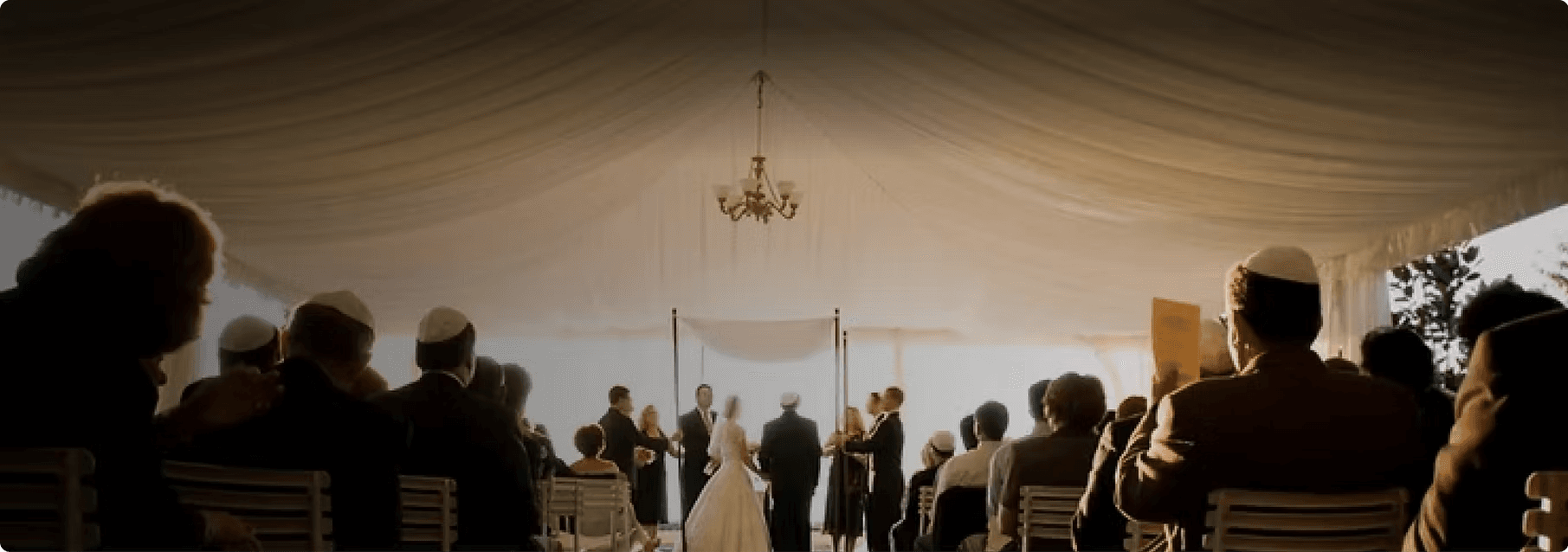
You are at a Jewish wedding when the groom smashes a glass. The guests cheer, music kicks in,, and someone yells, “Mazel Tov!” You might have heard the phrase before, but mazel tov means more than the familiar translation, “Congratulations.” It is part of Jewish celebrations, family milestones, and daily conversations about good news.
If you’re going to a Jewish event or just want to understand the expression, knowing when to say it and how to respond can help you feel more comfortable. The phrase is easy to learn, and you don't have to speak Hebrew to use it properly.
What Does Mazel Tov Mean?
“Mazel Tov” is a Hebrew expression that people use to congratulate someone. It is commonly translated as “good luck” or “good fortune.” In modern conversation, its usual meaning is closer to “Congratulations!”
The word mazal refers to fortune and historically relates to stars or constellations. Tov means good. The expression has roots in older ideas about the influence of the stars on a person's fortune, although people today generally use it as a congratulatory greeting.
Both Reform Judaism's glossary and My Jewish Learning's explanation of Mazel Tov discuss the expression and its meaning.
You might hear it when someone gets married, welcomes a baby, graduates, or shares another piece of happy news. The occasion can be formal or casual. What matters is that you are congratulating someone on something worth celebrating.
How Do You Pronounce Mazel Tov?
Pronunciation can vary with language and regional tradition. Some Ashkenazi and Yiddish-influenced speakers say “MAH zel tov,” while modern Israeli Hebrew speakers commonly pronounce it closer to “mah ZAL tov.”
You will probably hear both versions at Jewish gatherings. If you are unsure how to say it, listen to the people around you and follow their lead.
When Do People Say Mazel Tov?
Mazel Tov comes up at many points in Jewish life. Weddings are a familiar example, but the phrase is used for plenty of other occasions, too.
Common examples include:
Jewish weddings
Bar and Bat Mitzvahs
Engagements and births
Graduations and achievements
You may hear the expression at a synagogue, a family dinner, a wedding reception, or in a message from a friend. You do not need to be attending a religious event to use it.
Why Is Mazel Tov Common at Jewish Weddings?
A Jewish wedding includes several traditions that bring the couple, their families, and their guests together. One of the best-known is the breaking of the glass, which usually takes place near the end of the wedding ceremony.
After the groom breaks the glass, guests commonly call out “Mazel Tov!” The custom marks the moment with cheers and congratulations. The broken glass also has traditional interpretations, including a reminder of the destruction of the Temple in Jerusalem.
The ceremony often gives way to music and dancing. Guests may sing along to familiar songs, join the couple on the dance floor, and celebrate with relatives they have not seen in years.
Music choices can vary between families and communities. If you are curious about the customs that shape these celebrations, this guide to Jewish wedding traditions offers more context.
How to Respond to Mazel Tov
If someone says “Mazel Tov” to you, a simple “Thank you” is enough. You do not have to reply in Hebrew or learn a special phrase.
Your response can be as brief or personal as the situation calls for.
Situation | What You Can Say |
Someone congratulates you on your wedding | Thank you! We are glad you could celebrate with us. |
Your child has a Bar or Bat Mitzvah | Thank you. It is a special day for our family. |
A friend congratulates you on a new job | Thanks! I am excited to get started. |
Someone sends a congratulatory message | Thank you for thinking of me! |
You are celebrating alongside the person congratulating you | Thank you, and Mazel Tov to you, too! |
Can You Say Mazel Tov Back?
Yes, especially if the other person is celebrating something as well. For example, a friend might congratulate you on your engagement and then tell you that they are engaged, too. You can thank them and return the greeting.
Some Hebrew greetings have more specific uses, and the best choice can depend on the setting. The Jewish Virtual Library's guide to Hebrew greetings provides additional examples.
For everyday conversations, though, you can keep your response simple. A genuine thank you is perfectly natural.
Should You Say Mazel Tov When Someone Announces a Pregnancy?
You may hear Jewish families use b'sha'ah tovah when someone announces a pregnancy. The expression conveys a wish for the right or auspicious time and is often preferred in communities that avoid offering congratulations too early.
Customs vary, so there is no single response used by every Jewish family. If you know the family's preference, follow it. Otherwise, you could say, “Wishing you a healthy pregnancy,” or ask what expression they prefer.
What Does Siman Tov U'Mazal Tov Mean?
If you have attended a Jewish wedding, you may recognize “Siman Tov U'Mazal Tov” from the music. Guests often sing along as the celebration gets underway.
Siman tov means “a good sign.” Mazal tov means “good luck.” The words together wish for good signs and good luck. The phrase comes from a traditional celebratory song sung at weddings and other happy occasions.
The song is easy to join even if you don't know Hebrew well. The repetitive lines and recognizable tune make it easier for guests to join in, and the various performers make it their own musically.
Understanding Siman Tov U'Mazal Tov Lyrics
People searching for siman tov u'mazal tov lyrics usually want to sing along at a wedding or understand the words they have heard.
The song's central message is a wish for good fortune and happiness. Performances vary, from traditional arrangements to versions with modern instruments and a faster dance rhythm.
You will often hear the song at a point when guests are ready to celebrate together. Some know every word from family gatherings, while others pick up the melody as they listen. Either way, it gives people a shared part in the occasion.
If you enjoy this kind of music, explore Jewish and Israeli Music. Traditional songs remain part of many celebrations, alongside newer arrangements that reflect the tastes of different generations.
How Music Brings Jewish Celebrations Together
You’re at a wedding, and a familiar song starts playing, and everyone begins singing along. You may find younger guests and older relatives dancing to the same tune at a Bar or Bat Mitzvah. These moments tend to happen naturally, especially if the music suits the people in the room.
The same is true of community events. A wedding reception might call for a different vibe than a fundraiser or gala, but music can still give guests a reason to connect. The atmosphere of an event is determined by the selection of songs, the speed at which it is performed, and how musicians connect with the audience.
Jewish fundraisers can use music that unites people but keeps the focus on the cause if you are an organization planning a charity event.
At The Shuk, we perform Jewish and Israeli music for weddings, Bar and Bat Mitzvahs, fundraisers, galas, and other gatherings. We work with each client to shape a performance around the event and the people attending it.
Planning a Jewish Celebration?
If you are organizing a wedding, Bar or Bat Mitzvah, fundraiser, or private party, think about the music you want guests to remember. The right songs can bring relatives together, get people singing, and give a familiar tradition a place in the celebration.
Explore our story to learn more about our musicians and the events we perform at.
FAQs
1. What Is the Mazel Tov Meaning in English?
Mazel Tov is commonly translated as “good luck” or “good fortune.” People use it to mean “Congratulations!” when someone shares happy news or reaches an important milestone.
2. How Do You Respond to Mazel Tov?
You can say “Thank you” or “Thanks so much.” If the other person is celebrating something, too, you can reply, “Mazel Tov to you, too!”
3. Can Non-Jewish People Say Mazel Tov?
Yes. Anyone can use the phrase to congratulate someone respectfully. It is suitable for Jewish celebrations and other happy occasions.
4. What Does Siman Tov U'Mazal Tov Mean?
The phrase means “a good sign and good fortune.” It is also the name of a traditional song often sung at Jewish weddings and other celebrations.
5. Is Mazel Tov Only Used at Weddings?
No. People also use it for Bar and Bat Mitzvahs, engagements, births, graduations, and other achievements. It is a common way to congratulate someone on good news.


