
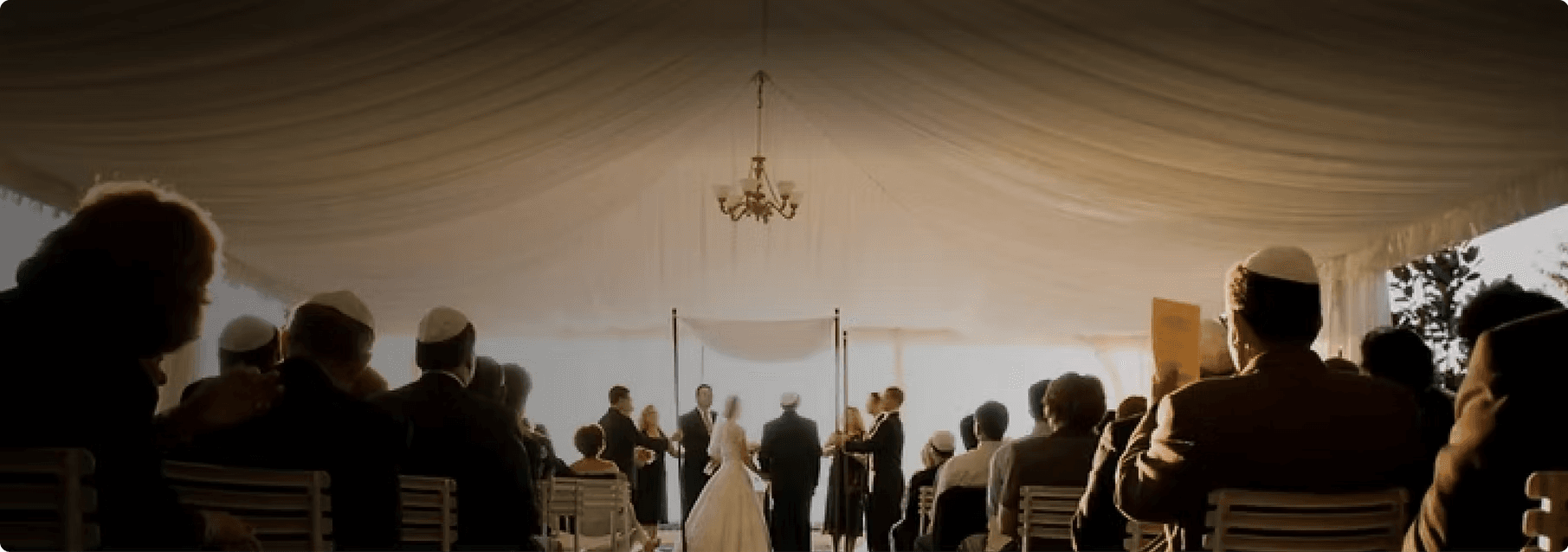
Shabbat has a rhythm of its own. The week slows down, meals become more traditional, conversations last a little longer, and there is finally space to pause.
Then Saturday night arrives.
But how do you manage to move from the peaceful feeling of Shabbat back into everyday life?
That is where Havdalah comes in.
If you have ever wondered what is Havdalah, it is a Jewish ceremony that marks the end of Shabbat and the beginning of the new week. It is not simply a way to announce that Shabbat is over. It creates a moment between the sacred time of Shabbat and the ordinary days that follow, using light, fragrance, wine, blessings, and music.
For many families and communities, Havdalah is also a chance to gather one more time before everyone returns to the rhythm of the week.
A Few Numbers That Put Shabbat in Context
Havdalah is part of a wider tradition of marking Shabbat in meaningful ways. According to the Pew Research Center, 39% of U.S. Jews say they often or sometimes observe Shabbat in a way that is personally meaningful to them.
In an earlier Pew survey, 23% of U.S. Jews said they always or usually light candles to mark the beginning of Shabbat. In Israel, that figure was 56%. A more recent Pew study also found that 42% of Jewish Americans reported lighting candles for religious or spiritual reasons.
These numbers show something important. Jewish practice can look different from one household to another, but rituals connected to Shabbat continue to hold a meaningful place in Jewish life.
What Is Havdalah?
The word Havdalah means separation or distinction.
The ceremony marks the separation between Shabbat and the rest of the week. Traditionally, it takes place after nightfall on Saturday, when Shabbat has ended. Many traditions connect this time with the appearance of three stars in the sky.
The Havdalah ceremony brings together several senses at once. You hear the blessings and songs. You see the glow of the braided candle. You smell the sweet spices. You taste the wine or grape juice. It is a small ceremony, but it can feel surprisingly powerful.
There is a reason for that.
Havdalah does not treat the end of Shabbat as something that simply disappears. Instead, it gives people a moment to recognize the transition and carry something of Shabbat with them into the week.
What Happens During a Havdalah Ceremony?
While customs can vary between families and communities, a traditional Havdalah ceremony includes four main blessings.
Part of the ceremony | What happens | What it represents |
Wine or grape juice | A blessing is recited over the cup | Joy and the closing of Shabbat |
Spices | People smell fragrant spices | Carrying sweetness from Shabbat into the week |
Candle | A braided candle is lit and blessed | Light and the distinction between light and darkness |
Havdalah blessing | The transition from Shabbat to the week | The final blessing marks the separation |
The order and details can vary depending on the community and tradition. Chabad also describes Havdalah as a multisensory ritual involving wine, spices, fire, and blessings.
That sensory experience is part of what makes the ceremony memorable.
You do not just hear that Shabbat is ending.
You see it.
You smell it.
You taste it.
And you hear it.
The Meaning Behind the Havdalah Candle
The Havdalah candle is one of the most recognizable parts of the ceremony.
Unlike an ordinary candle, the traditional Havdalah candle is braided and has multiple wicks. Once it is lit, participants are often invited to hold their hands toward the flame and look at the light reflected on their fingers and fingernails.
It is a beautiful visual moment.
The candle represents light at the beginning of the new week. It also highlights the distinction between light and darkness, one of the distinctions mentioned in the Havdalah blessing.
There is something especially meaningful about gathering around one flame.
Why Are Spices Used During Havdalah?
The spices add another layer to the ceremony.
Participants smell fragrant spices during Havdalah. The tradition is often connected with carrying the sweetness of Shabbat into the coming week. My Jewish Learning explains the practice as a way of taking some of the sweetness of Shabbat with you as you return to everyday responsibilities.
The experience is simple.
Someone passes around the spice box.
Everyone takes a moment to smell it.
For a few seconds, the room becomes quiet.
Then the ceremony continues.
It is one of those small details that can make Havdalah feel personal rather than formal.
Havdalah Traditions Can Look Different
There is no single way every Jewish household experiences Havdalah.
Some families keep the ceremony very simple at home. Others gather with friends or their wider community. Some emphasize the blessings and traditional ritual objects, while others place greater focus on singing and gathering.
The specific customs can also differ across Jewish communities.
For example, Havdalah may be modified when Shabbat ends at the same time that a Jewish holiday begins. In that case, some parts of the regular ceremony are changed or omitted.
This is why learning about Havdalah traditions does not mean looking for one perfect format.
The heart of the ceremony remains the same.
It is about recognizing a transition.
It is about separating Shabbat from the week.
And it is about entering the new week with intention.
Where Does Music Fit Into Havdalah?
Music has always had an important place in Jewish communal life.
Havdalah can be spoken, but it can also be sung. That makes music a natural part of the experience, especially when the ceremony takes place with a larger group.
Havdalah songs can create a sense of warmth that spoken blessings alone may not provide. A familiar melody gives people something they can join together in, even when they do not know every word.
This is especially meaningful in a community setting.
One person begins.
Another voice joins.
Then another.
Soon, the room is singing together.
That is the beauty of Havdalah music. It can turn a short ritual into a shared experience.
Choosing Havdalah Songs for a Community Gathering
When planning a communal Havdalah, the music should support the ritual rather than compete with it.
A good musical experience gives people room to listen, participate, and connect.
Consider songs that are:
• Familiar enough for people to join
• Connected to Jewish tradition
• Easy to sing together
• Warm and uplifting without rushing the ceremony
The goal is not to fill every second with sound.
Sometimes the most meaningful moment is the pause between songs.
A candle is glowing.
The spices have been passed around.
The room is quiet.
Then the first notes begin.
That contrast can make the ceremony feel much more powerful.
From Sacred Ritual to Shared Celebration
One of the most beautiful things about Havdalah is its ability to bring people together.
A private ceremony can be intimate and reflective. A community gathering can create something larger. Families, friends, and members of a Jewish community can experience the same ritual together, while bringing their own memories and traditions into the room.
That same balance between tradition and energy is important when planning Jewish events.
For example, if you are planning a wedding, understanding the role of music throughout a Jewish celebration can help you create a stronger overall experience. You can explore Sample Jewish Wedding Setlist for ideas on how music can move from the sacred moments of a Chuppah into the celebration that follows.
You can also learn more about Jewish wedding traditions and the role music can play in them.
The principle is similar with Havdalah.
Tradition creates the foundation.
Music gives people a way to experience it together.
Can Havdalah Be Celebrated With a Group?
Absolutely.
While Havdalah can take place at home with a small group, it can also become a meaningful community gathering.
A group setting creates opportunities for shared singing, participation, and connection. Children can watch the candle and smell the spices. Adults can join the blessings and songs. People who have celebrated Havdalah for years can experience the familiar ritual alongside those encountering it for the first time.
This makes Havdalah especially well suited to a gathering where the goal is connection rather than formality.
For The Shuk, music is about creating that connection. Our New York City-based ensemble brings together Israeli musicians and vocalists with deep roots in the traditions they perform. We focus on creating intimate experiences where the music feels connected to the people in the room, rather than simply happening in front of them.
Making Havdalah Meaningful
You do not need an elaborate setup to make Havdalah special.
The power of the ceremony comes from the meaning behind each part, you just need to focus on a few things:
Take your time with the blessings.
Let people smell the spices.
Give everyone a chance to see the candle.
Sing together instead of treating the songs as background music.
Allow the transition to feel like a transition.
For those planning a larger Jewish gathering, the same idea can shape the entire experience. Ritual, music, and atmosphere can work together to create something people remember long after the evening ends.
You can read more about The Shuk and explore how we approach Jewish and Israeli music experiences.
The Week Begins With a Song
Havdalah is a goodbye, but it does not have to feel like an ending.
The candle burns brightly.
The spices bring sweetness.
The blessings mark the transition.
And the music brings people together.
That is what makes the ceremony so meaningful. It gives Shabbat a proper goodbye while reminding us that the spirit of the day does not have to disappear when the week begins.
Whether celebrated quietly at home or shared with an entire community, Havdalah creates a moment to pause, breathe, sing, and step into the week together.
Ready to make Jewish music part of your next gathering?
Plan Your Celebration With The Shuk
FAQs
What is Havdalah?
Havdalah is the Jewish ceremony that marks the end of Shabbat and the beginning of the new week. It traditionally includes blessings over wine or grape juice, spices, a braided candle, and the distinction between Shabbat and the days that follow.
When does Havdalah take place?
Havdalah takes place on Saturday night after Shabbat ends and night has fallen. Traditional practice connects the timing with the appearance of three stars in the sky, although exact timing customs can vary.
Why does Havdalah use a candle and spices?
The candle represents light and helps mark the transition from Shabbat into the week. The sweet spices are traditionally associated with carrying the sweetness of Shabbat into the days ahead.
Are there Havdalah songs?
Yes. Havdalah can be sung as well as spoken, and many communities incorporate melodies and songs into the ceremony. Music can make the experience more communal by giving everyone a way to participate.
What does Havdalah symbolize?
Havdalah symbolizes the separation between Shabbat and the new week. It gives people a moment to recognize the end of sacred time and carry the warmth, peace, and sweetness of Shabbat into the week ahead.


