
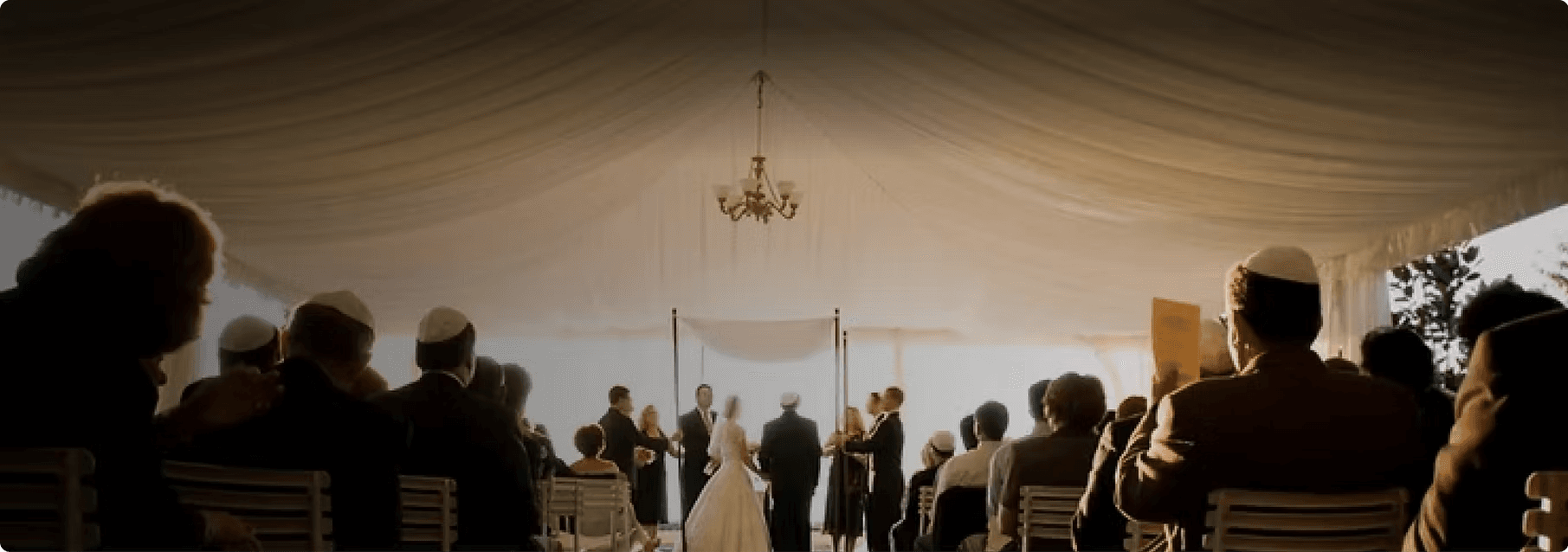
A Jewish community concert can be much more than a night of live music. It gives people a reason to gather, sing together, hear familiar sounds, discover something new, and feel connected to a shared culture. That is why Jewish concert planning starts before you choose a stage or send an invitation. You need to think about the people you want to bring together, the experience you want them to have, and how the music will carry that feeling through the room.
The audience for a Jewish event is also broader comparatively. People may connect through faith, family, culture, language, Israeli music, Jewish history, or memories from home. A strong Jewish community concert makes room for these different connections while still giving the evening a clear picture.
The Bigger Picture: Why Community Concerts Matter
Pew Research Center estimated that about 7.5 million people in the United States were Jewish in 2020, using a broad definition that included people who identified as Jewish through religion, culture, ancestry, or family background.
Live arts also remain an important part of how people gather. The National Endowment for the Arts reported that 48% of U.S. adults attended at least one arts event in person in 2022. Its research also found that 21% attended an event in the “other performing arts” category, which included music from different cultural traditions.
Facts | What It Means For Your Event |
7.5 million Jews were estimated in 2020 | Your potential audience can be culturally and generationally diverse |
48% of U.S. adults attended an arts event in person in 2022 | Live events continue to bring people together |
Jewish American music includes many regional traditions | Your concert can explore more than one musical style |
What Makes A Jewish Community Concert Feel Special?
The strongest concerts do not feel like a list of songs performed one after another. They feel like a shared evening. Guests should understand why the music was chosen, but they should also have room to sing, clap, dance, listen, and enjoy the moment.
A good Jewish community concert can balance familiar and unexpected choices. You might begin with a song many people know, move into an Israeli music concert section, and then bring in contemporary sounds that younger guests recognize. The goal is not to make every song familiar. It is to create a musical journey that different generations can enjoy.
Music can also help you bring people into the story of the event. A short introduction before a song can explain its cultural background, where it came from, or why it matters to the community. Keep these moments brief so the music stays at the center.
Start With Your Audience
Before you build the setlist, decide who you are inviting. A concert for families will have different needs from an evening designed for adults, older community members, or a mixed audience.
Think about:
Age range and family mix
How familiar the audience is with Jewish music
Whether guests speak Hebrew, Yiddish, or another language
Whether the event is cultural, religious, educational, social, or a mix
Whether people will sit, stand, dance, or move between different areas
These choices affect the music, pacing, venue, sound, and length of the program. A community event becomes easier to plan when you make these decisions before you start booking performers.
Build A Setlist For Different Generations
One of the biggest challenges in Jewish concert entertainment is creating a setlist that does not leave one part of the audience behind. Older guests may want songs connected to family memories. Younger guests may respond more strongly to modern Israeli sounds or familiar pop styles. Many people will enjoy both.
A useful approach is to create three musical layers:
Musical Layer | What It Can Bring To The Concert |
Traditional Jewish music | Familiar melodies, cultural memory, and shared participation |
Israeli and contemporary music | Current energy, modern sounds, and a connection to Israel |
Cross-genre selections | A wider musical experience for different age groups |
Make Room For Israeli Music
Israeli music can add a different energy to a community event. It can bring contemporary sounds into the program while giving the audience another way to connect with Israeli culture.
When planning an Israeli music concert, think beyond choosing popular songs. Consider the mood, language, tempo, and story behind each selection. You can create a section that moves from reflective songs into upbeat music, or you can weave Israeli songs throughout the full program.
Use The Venue To Shape The Experience
The venue is part of the concert, not just the place where performers stand. A large auditorium may work well for a formal program, while a community center creates a more relaxed atmosphere. Outdoor spaces can bring a festival feeling, but they also require careful planning for sound, weather, lighting, and audience movement.
Think about sightlines, seating, sound, entrances, restrooms, accessibility, and the location of the performance area. You also need to consider how easily people can interact with the music.
The right setup should match the purpose of the evening. A cultural program may need clear sightlines and good acoustics. A social celebration may benefit from open space where people can move and dance.
Plan Audience Participation
A Jewish community concert does not have to mean the audience sits quietly from beginning to end. Participation can become one of the most memorable parts of the night.
You can invite guests to sing a familiar chorus, join a communal song, respond to a musical call, or participate in a short educational moment. This is especially useful for a Shira Betzibur style program, where shared singing becomes part of the experience.
If the event includes Kabbalat Shabbat, the music should support the tone of the gathering rather than simply copy a standard concert format. The Shuk has also explored how music can support this type of gathering through its guide to Kabbalat Shabbat.
Think About The Full Program
Your concert may have one main performance, but guests experience everything around it. The welcome, opening remarks, transitions, lighting, seating, refreshments, and ending all affect how the evening feels.
Keep the schedule simple. Long gaps can drain the room, while too many speeches can interrupt the musical flow. Give each part of the event a clear purpose.
A practical program could include:
Welcome and short introduction
Opening songs that bring the audience together
Traditional Jewish music and shared singing
Israeli music and contemporary selections
Short cultural or educational segment
High energy closing set
Community thank you and final song
Choose Musicians Who Understand The Room
Technical skill matters, but community concerts need more than strong musicianship. You want performers who can read the audience, adjust the energy, communicate clearly, and understand the cultural setting.
Ask potential performers how they approach mixed age groups. Ask how they handle requests, transitions, audience participation, and changes to the program. Performance videos can help you hear the music, but they do not always show how performers connect with a live crowd.
For private celebrations, you can also explore a Jewish wedding band when a more festive format makes sense. If you want more cultural background, Jewish wedding traditions can provide useful context.
Bring The Music And Community Together
A successful Jewish community concert does not need to be complicated. It needs a clear audience, thoughtful music choices, a comfortable setting, and a program that gives people reasons to participate.
The Shuk approaches Jewish and Israeli music through live performance, cultural connection, musicianship, and audience energy. If you are considering a community concert, Jewish Wedding Songs 2026 can also give you ideas for combining traditional and modern selections.
You can also explore the Shuk for more information about its work, or read more about the Shuk to understand the team and its approach.
Plan Your Next Community Concert
Planning a Jewish community concert? Give your audience an evening that feels thoughtful, energetic, and genuinely connected to the culture behind the music.
Start Planning Your Concert With Shuk
FAQs
What Is A Jewish Community Concert?
A Jewish community concert is a live music event built around Jewish culture, music, community connection, or shared participation. It can be a formal concert, family event, holiday program, fundraiser, or communal singing experience.
How Do I Choose Music For A Jewish Concert?
Start with your audience and the purpose of the event. Then combine familiar Jewish music with Israeli and contemporary selections so different generations have something they can connect with.
Should A Jewish Concert Include Israeli Music?
Use songs everyone will know, singalongs, short intros, call and response bits, bits where guests can join in. Participation should be natural and welcoming, not forced.
How Long Should A Community Concert Be?
There is no single ideal length for every event. Plan around your audience, venue, age range, and number of program sections, while allowing enough variety and comfortable transitions.
How Can I Make The Audience Participate?
It can. Israeli music adds another cultural and musical aspect, and it can be combined nicely with traditional Jewish songs and modern arrangements. The right mix depends on your audience and the purpose of the event.


