
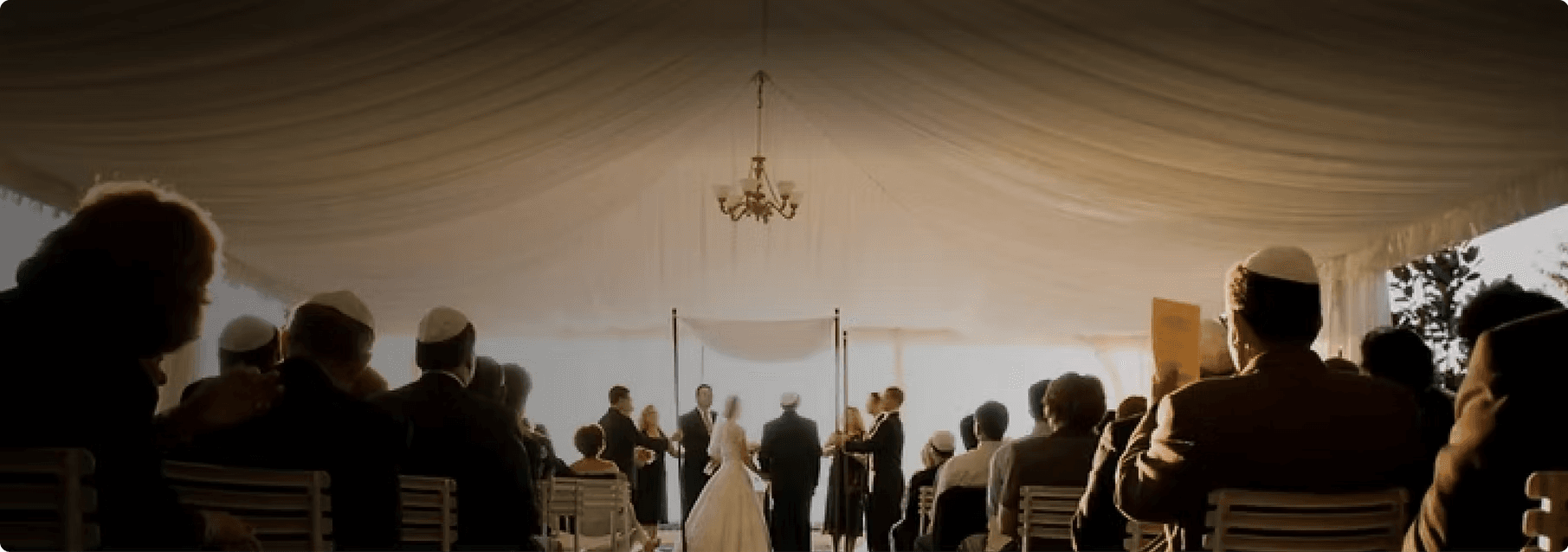
A Jewish festival can bring people into the same room, but music can turn that gathering into a shared experience. The right Jewish festival music can welcome guests, create a sense of tradition, invite people to sing together, and give a celebration its own emotional rhythm. Whether you are planning a holiday concert, fundraiser, or community gathering, live performance can make people feel part of something bigger.
The numbers show why cultural experiences still matter. Pew Research Center’s 2023 to 2024 Religious Landscape Study found that 1.7% of U.S. adults identify as Jewish by religion. Its 2020 study found that 31% of highly observant Jewish adults often listened to Jewish or Israeli music. National Endowment for the Arts research on arts participation reported that 48% of U.S. adults attended at least one arts event in person in 2022. These figures do not measure Jewish festivals specifically, but they show the wider place of Jewish identity, music, and live arts in American cultural life.
Why Music Matters at Jewish Festivals
Music gives a festival a feeling that a schedule cannot create. Good Jewish festival music helps shape that feeling from the first note. People may remember the food, decorations, and speeches, but they often remember how the room felt.
Jewish festival music can bring several generations into the same moment. A familiar melody may remind one guest of family celebrations, while a modern Israeli song may give younger guests a way to connect with culture through a sound they already enjoy.
That is why Jewish festival entertainment should be planned around the people in the room, not only the event theme. A strong performance can move from a reflective opening to communal singing, then into a more energetic celebration when the moment calls for it.
Jewish Festival Music Can Connect Tradition and Today
Jewish communities are not all the same, and neither are their musical preferences. A festival may include guests who grew up with traditional melodies, people who connect strongly with Israeli culture, and younger attendees who prefer contemporary sounds.
You do not have to choose between old and new. A thoughtful setlist can include both.
Festival moment | Musical direction | What can it create? |
Opening | Warm and familiar melodies | Captures attention and welcomes the audience |
Cultural program | Traditional/ Israeli selections | Connects audience to heritage |
Communal singing | Familiar and participatory music | Encourages shared involvement |
Celebration | Contemporary and energetic songs | Movement and excitement |
Closing | Meaningful music | A strong final feeling |
The goal is not to make every part of the performance loud or fast. Contrast matters. A quieter passage can make the next energetic moment feel bigger.
For an audience with different ages and backgrounds, that balance can make the event feel inclusive without making the music feel generic.
The Role Of Live Jewish Music In Community Events
Live Jewish music creates a relationship between performers and audience that recorded music cannot fully reproduce.
That responsiveness matters at Jewish festival events because the program can include cultural, religious, social, and celebratory moments within the same day.
This can be especially useful for holiday concerts, community gatherings, fundraisers, and Jewish music festivals. Jewish music festivals can balance tradition with contemporary sounds. Music does not replace the purpose of the event. It supports it by creating an atmosphere where people can connect.
How To Choose Music For a Jewish Festival Event
Start with the audience. Think about who will attend, what traditions matter to them, and what you want them to feel.
Then consider the structure of the event. A festival performance usually works better when the music follows the gathering's flow rather than appearing as one long block.
Two areas deserve particular attention:
Cultural range
Consider traditional Jewish music, Israeli music, contemporary Jewish songs, and selections that encourage communal participation. The mix should reflect the audience and purpose of your event.
Energy and timing
Build variety into the set. Start at the energy level that suits the moment, allow space for speeches or rituals, and increase the pace when guests are ready to celebrate.
If you are planning a Bar or Bat Mitzvah alongside a festival program, your music choices may need to shift again. How to Plan a Bar or Bat Mitzvah Party can help you think through the entertainment side of the event.
Building A Festival Setlist That Feels Personal
A good setlist should feel like a journey, not a random collection of songs. Begin with music that welcomes the room, move into Jewish or Israeli selections, and create a stronger communal section as the event develops.
If the occasion calls for it, you can finish with music that leaves people singing or dancing. The exact choices should reflect the event, audience, and purpose.
For events that include Jewish ceremonies, timing and transitions need another layer of care. The guide to Jewish Ceremony Music explores how live music can support a Jewish ceremony without taking attention away from its meaning.
Why Israeli Music Has A Place In Jewish Festival Programming
Israeli music can add another cultural dimension to Jewish festival events. Israeli songs can bring modern sounds, familiar melodies, and a connection to contemporary Israeli culture into the room.
You do not have to make the entire program Israeli music. Selected songs can add variety without taking over the performance. An Israeli music festival can use the same balance when it wants cultural depth and contemporary energy.
This also gives you a useful way to build a bridge between generations. Traditional Jewish music can carry family memories, while Israeli music can introduce contemporary sounds that younger guests recognize.
Creating Moments People Remember
The great Jewish festival entertainment often has moments people can describe afterward.
Maybe everyone sings a familiar melody together. Maybe the band changes the pace, and the room suddenly gets up to dance. Maybe a quiet song creates a few seconds of shared attention before the celebration continues.
That is why live Jewish music should be treated as part of the event experience rather than background entertainment. Performers need to know when to lead, when to leave space, and when to invite the audience into the music.
How Live Performance Builds A Shared Experience
A successful festival is not only about what happens on stage. It is about what happens between people.
Music gives guests a reason to respond together. They may sing a chorus, recognize a melody, dance with family, or simply pause and listen. These shared reactions create moments of belonging throughout the event.
Pew Research Center’s study of Jewish Americans found that Jewish Americans participate in cultural activities alongside traditional forms of Jewish life, including listening to Jewish music and attending Jewish film festivals. The same study found that some people who express their Jewishness in other ways also participate in cultural activities, including sharing Jewish culture or holidays with non-Jewish friends.
For planners, the takeaway is practical. Jewish festival entertainment works best when the music serves the people and purpose of the event. You can use Jewish festival music as an invitation, giving guests who connect through tradition, culture, family, or contemporary Israeli sounds a common experience.
Choosing A Live Jewish Music Partner
Ask how musicians approach transitions and whether they can adjust the energy during the event. Watch performance videos and listen for vocal quality, musicianship, and interaction with the audience.
You should also make sure the musicians understand the cultural setting. A Jewish festival can include moments where sensitivity, timing, and familiarity with the music matter just as much as technical performance.
The Shuk brings Israeli musicianship, live vocals, and a boutique approach to Jewish and Israeli events. Its services include weddings, fundraisers and galas, holiday concerts, Bar and Bat Mitzvah parties, Kabbalat Shabbat, Shira Betzibur, private parties, and educational workshops.
Bringing Jewish Festival Entertainment Together
The best Jewish festival entertainment does not compete with the event. It helps the event become what you imagined.
Start by deciding what you want guests to feel. Then choose music that supports that feeling, build a setlist around the flow of the day, and leave room for performers to respond to the audience.
Whether you are planning a holiday concert, fundraiser, gala, community gathering, or private celebration, thoughtful Jewish festival entertainment can give the event a stronger sense of identity.
For a broader look at the group and its work, read more about the shuk. If you are planning a wedding as part of a larger Jewish celebration, the Jewish wedding band page can also help you think about how live music can carry an event from ceremony to celebration.
Your festival does not need more noise. It needs the right moments, the right songs, and musicians who know when to let the room lead.
Plan Your Festival Music With Us
FAQs
What Is Jewish Festival Music?
Jewish festival music includes music selected for Jewish holidays, cultural gatherings, community concerts, fundraisers, and other celebrations. It can include traditional Jewish music, Israeli music, contemporary songs, and music designed for communal participation.
Why Choose Live Music For a Jewish Festival?
Live music lets performers respond to the audience and event schedule. A band can adjust tempo, energy, transitions, and participation based on what is happening in the room.
Can A Jewish Festival Include Israeli Music?
Yes. Israeli music can add contemporary sounds and a connection to modern Israeli culture. You can include selected Israeli songs within a broader Jewish music program based on your audience and event goals.
What Should You Consider When Planning Jewish Festival Entertainment?
Consider your audience, venue, schedule, cultural focus, and desired energy. Discuss important transitions and timing with the musicians before the event.
Can Live Music Work For Both Small And Large Jewish Festival Events?
Yes. The musical setup can be shaped around the venue, audience size, and event format. A smaller gathering may call for a closer, interactive performance, while a larger festival may need a fuller stage and sound setup.


