How to Plan a Jewish Wedding: Traditions, Timeline & Ideas for a Memorable Celebration

A Jewish wedding is one of the most joyful, meaningful, and beautifully layered celebrations in human culture. From the moment the couple stands together under the chuppah to the very last note of the hora, every element of the day carries centuries of tradition, community, and love. If you are in the middle of jewish wedding planning right now, you already know there is a lot to think about. But that is also what makes it so rewarding. Done well, a Jewish wedding is not just a party. It is an experience your family and friends will carry with them for the rest of their lives.
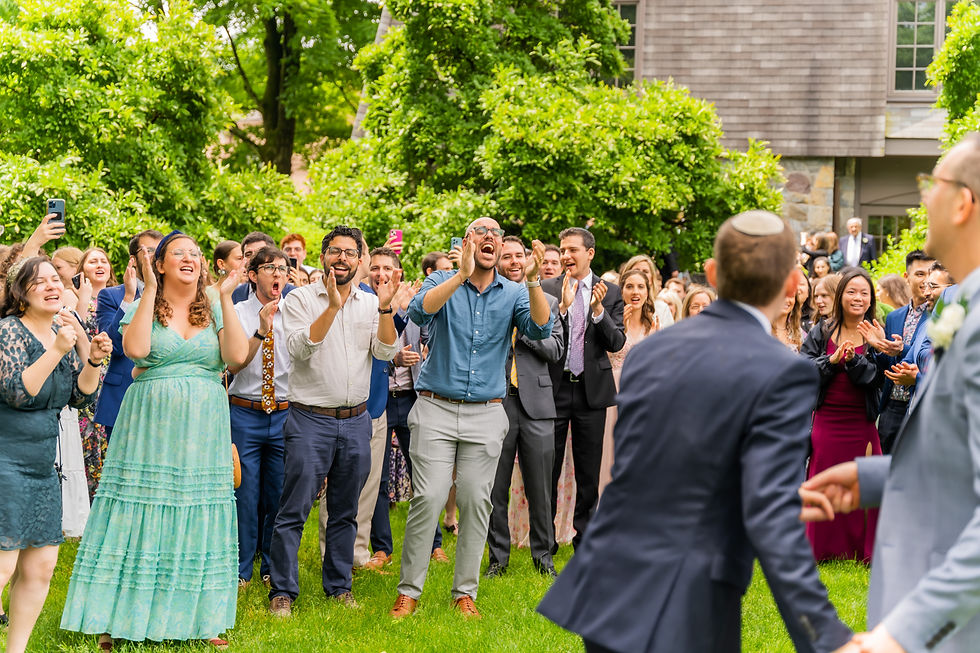
This guide walks you through everything you need to know, from the jewish wedding traditions that give the day its meaning to a practical planning timeline, kosher wedding catering essentials, and jewish wedding ideas to make your celebration truly your own. Whether you are just getting started or already deep in the details, there is something here for every couple.
The wedding industry tells us a great deal about where modern couples place their priorities. 35% of couples now choose live bands over DJs to create a more unique and memorable guest experience. Approximately 2.2 million weddings take place in the United States each year, and 87% of couples rely on online platforms to guide their planning process. For Jewish couples, the stakes feel even higher, because the celebration is not just personal. It is communal, historical, and deeply meaningful.
Understanding Jewish Wedding Traditions Before You Plan
Before you can plan a Jewish wedding well, it helps to understand what you are actually planning for. Traditional jewish wedding customs are rich, layered, and full of meaning, and each one has the potential to become a genuine highlight of the day when handled with care.
The jewish wedding traditions begin well before the ceremony itself. The Aufruf is a pre-wedding celebration at synagogue where the groom is called to the Torah. The Kabbalat Panim is a pre-ceremony reception where the couple greets guests separately. The Bedeken follows, a tender veiling ceremony rooted in the story of Jacob and Rachel. Then comes the chuppah ceremony, the signing of the Ketubah (the Jewish marriage contract), the Sheva Brachot (seven blessings over the couple), and the breaking of the glass, followed by the joyful explosion of celebration that defines the reception.
To explore these customs in greater depth, take a moment to read about jewish wedding traditions and what makes each one so significant. Understanding the why behind each ritual helps you make more intentional decisions about how to honor them on your day.
Key Jewish Wedding Ceremonies at a Glance
Ceremony | What It Is | Why It Matters |
Aufruf | Groom called to the Torah at synagogue before the wedding | Marks the transition into marriage within the community |
Bedeken | Groom veils the bride before the ceremony | A personal moment rooted in biblical tradition |
Ketubah Signing | Signing of the Jewish marriage contract | A formal commitment witnessed by loved ones |
Chuppah | Ceremony under a canopy symbolizing the couple's new home | The spiritual and ceremonial heart of the wedding |
Sheva Brachot | Seven blessings recited over the couple | Connects the couple to generations of Jewish blessing |
Breaking the Glass | Groom breaks a glass at the close of the ceremony | Signals joy, remembrance, and the start of celebration |
Hora | Energetic circle dance lifting the couple in chairs | The most iconic and joyful moment of the reception |
Your Jewish Wedding Planning Timeline
One of the most common mistakes in jewish wedding planning is underestimating how early certain decisions need to be made. Jewish weddings have unique calendar constraints - there are specific periods in the Jewish year when weddings are not traditionally held, including between Passover and Shavuot (except on Lag B'Omer), during the Three Weeks leading up to Tisha B'Av, and on major holidays and Shabbat. Starting early gives you the best selection of dates, venues, and vendors.
A general planning timeline:
12 months out: Set your date against the Jewish calendar, book your venue, and secure your rabbi or officiant. Begin researching live music early - the best performers fill up fast.
9-10 months out: Book your kosher caterer, finalize your Ketubah design, and begin wedding attire shopping.
6-8 months out: Send save-the-dates, finalize your ceremony program, and confirm your music and entertainment.
3-4 months out: Send formal invitations, finalize your seating plan and catering menu, and schedule a walk-through with your officiant.
1-2 months out: Confirm all vendors and share a detailed day-of timeline with your bandleader, photographer, and caterer so everyone is fully aligned.
Kosher Wedding Catering: What Every Couple Needs to Know
For many couples, kosher wedding catering is one of the most logistically complex parts of how to plan a jewish wedding. It requires certified kosher supervision, separation of meat and dairy, and specific guidelines around food preparation and service. If your wedding will be fully kosher, this needs to be confirmed with every venue and vendor early in the process.
The first step is confirming whether your venue has in-house kosher wedding catering or allows outside certified kosher caterers. Venues with in-house kosher facilities often simplify the process significantly. If you bring in an external caterer, ensure they hold a recognized kosher certification and have experience at weddings of a similar scale to yours.
Beyond the logistics, kosher wedding catering can be genuinely celebratory. Work closely with your caterer to build a menu that reflects the season, the occasion, and your family's culinary heritage. Some of the most memorable wedding meals are kosher ones - beautifully presented, thoughtfully prepared, and deeply reflective of Jewish food culture.
Jewish Wedding Ideas to Make the Day Truly Yours
One of the most exciting parts of jewish wedding planning is finding ways to weave your own story into the fabric of traditional jewish wedding customs. Modern Jewish couples are doing this beautifully, and there is no shortage of jewish wedding ideas that feel both rooted and genuinely personal.
A few ideas worth considering:
Commission a personalized Ketubah from a Jewish artist - something designed to reflect your relationship that becomes a piece of art in your home.
Create bilingual ceremony programs so non-Jewish guests can follow along and feel genuinely included in every moment.
Invite family members to perform original songs or heartfelt tributes during the reception - these moments often become the most talked-about of the night.
Ask your live band to build a custom set that blends your family's specific cultural heritage - Ashkenazi, Sephardic, Mizrahi, or a mix - into one cohesive celebration.
Music: The Element That Ties Everything Together
No element of a Jewish wedding carries more emotional weight than the music. The right song at the right moment, a tender melody as the bride walks toward the chuppah, the crescendo at the breaking of the glass, the hora that pulls every generation onto the floor at once, is what guests will remember for years. Music is not background to a Jewish wedding. It is the living pulse of the entire day.
Choosing a best jewish wedding band means choosing musicians who genuinely understand the flow of a Jewish wedding. They know when to hold back, when to build, and how to bring a room of two hundred people with different ages and backgrounds to the same dance floor. That musical and cultural intelligence is something no playlist can replicate.
The song choices matter just as much as the performers. From classic Israeli anthems to contemporary hits that speak to younger guests, the right setlist honors tradition while keeping the energy alive all night. Explore Top Jewish Wedding Songs That Get Everyone on the Dance Floor for a great starting point. And when you are ready to talk through what your specific wedding day calls for, visit the shuk to learn how their musical range and cultural depth can bring your vision to life.
Your Celebration, Your Story
Learning how to plan a jewish wedding is really about learning how to honor something that has been cherished for thousands of years while making it entirely your own. Every jewish wedding idea you explore, every traditional jewish wedding custom you choose to include, and every vendor you select becomes part of the story you will tell for the rest of your lives. Trust that the love and care you bring to your planning will be felt by every guest in the room.
Ready to Plan Your Perfect Jewish Wedding?
FAQs
Q.1 How far in advance should I start planning a Jewish wedding?
Starting 12 months out is ideal, especially since Jewish wedding planning requires navigating specific restricted periods on the Jewish calendar. Kosher caterers and experienced live bands in particular book up quickly, so early planning gives you the widest selection of vendors and the most time to personalize every detail of the day.
Q.2 What are the most important Jewish wedding traditions to include?
The core traditional jewish wedding customs most couples include are the Bedeken, the Ketubah signing, the chuppah ceremony, the Sheva Brachot, and the breaking of the glass. Beyond these, the hora is a near-universal fixture of Jewish receptions and one of the most joyful and memorable moments of the entire celebration. Which additional customs you include depends on your background and level of observance.
Q.3 What does kosher wedding catering involve?
Kosher wedding catering requires certified kosher supervision, the separation of meat and dairy, and adherence to specific food preparation guidelines. Your venue either needs in-house kosher facilities or must allow a certified kosher caterer to work in the space. Confirming this early is essential, as not all wedding venues are equipped to accommodate kosher requirements.
Q.4 How do we choose the right music for a Jewish wedding?
Start by thinking about the emotional arc of the day, from the tenderness of the ceremony to the all-out celebration of the hora and the reception that follows. Look for a best jewish wedding band with genuine experience at Jewish weddings and a repertoire that spans traditional and contemporary styles. The right band makes every generation of guest feel included and keeps the energy alive from the first moment to the last.
Q.5 Are there dates we should avoid for a Jewish wedding?
Yes. Jewish wedding planning requires avoiding specific periods on the Jewish calendar, including most of the Omer between Passover and Shavuot (Lag B'Omer is the exception), the Three Weeks leading up to Tisha B'Av, major holidays, and Shabbat. Consulting with your rabbi or a knowledgeable wedding resource early in the process helps you identify the best available dates for your celebration.
Q.6 How can we make our Jewish wedding feel personal without losing the tradition?
The most memorable Jewish weddings find the balance between honoring jewish wedding traditions and weaving the couple's own story into every detail. Consider a personalized Ketubah, bilingual ceremony programs so all guests feel included, a custom music set that reflects your family's cultural heritage, and inviting family members into meaningful moments during both the ceremony and reception.


Comments