
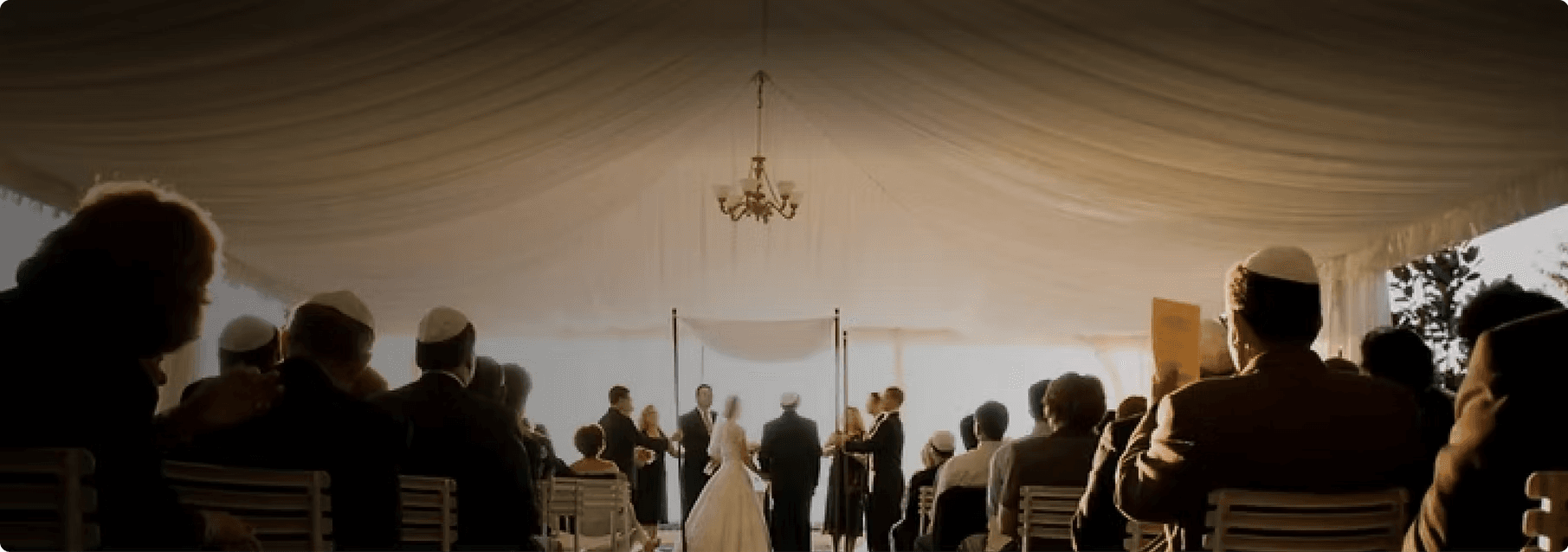
Heritage fundraisers are more than events. They are living rooms without walls, places where grandparents, parents, and children gather under a shared cultural roof. At the center of these gatherings, quietly shaping emotion and memory, is music. Music at heritage fundraisers does not simply entertain. It translates values, carries stories forward, and creates moments where generations meet each other without needing the same language.

From traditional melodies that evoke childhood memories to contemporary arrangements that invite younger guests in, music that connects generations is one of the most powerful tools a fundraiser can use. When chosen thoughtfully, it becomes the thread that ties together purpose, participation, and pride.
The Cultural Role of Music in Heritage Fundraising
Heritage fundraisers exist to protect history, sustain community institutions, and fund the future. Music mirrors that mission. It holds the past in one hand and the present in the other.
In Jewish communities especially, Jewish fundraiser music carries emotional weight. Familiar modes, Hebrew lyrics, and rhythmic patterns immediately signal belonging. Guests do not need a program to understand where they are or why they are there. The music tells them.
Unlike background playlists, live music for heritage events adapts to the room. It responds to the age mix, the energy level, and the emotional arc of the evening. This responsiveness is what allows music to bridge generations rather than divide them.
Why Live Music Resonates Across Generations
Recorded music can be polished, but live music is alive. That difference matters when your audience spans decades.
Live music for heritage events creates shared experiences in real time. A grandparent recognizes a melody from youth. A teenager hears it reimagined with modern rhythm. Both feel seen. Live musicians also read cultural cues instinctively. They know when to invite participation and when to step back. This balance is essential at fundraisers, where the goal is connection, not performance alone.
Key reasons live music works across age groups:
It adapts tempo and tone naturally
It encourages participation without pressure
It blends traditional and modern sounds seamlessly
It creates emotional memory rather than background noise
This is where cultural music at fundraisers becomes a strategy, not an accessory.
Music as a Bridge Between Past and Future
At the heart of heritage events is continuity. Music makes that continuity tangible.
A well-curated program may move from classic folk melodies into contemporary Israeli or diaspora-inspired arrangements. The transition feels natural because the emotional core remains the same. This approach allows music that connects generations to do exactly that, connect, rather than isolate.
You often see this during communal moments. A familiar refrain becomes a room-wide chorus. What starts as listening turns into participation. These moments matter deeply in jewish fundraisers, where collective experience reinforces communal responsibility. Music does not lecture about heritage. It invites people to feel it.
The Power of Participation Over Performance
One of the defining traits of effective Jewish fundraiser music is participation. Singing together, clapping together, even gentle call-and-response moments transform guests from donors into stakeholders.
Elements that encourage generational participation include:
Communal singing moments or singlong segments
Familiar choruses repeated across generations
Rhythms that invite movement without demanding it
These elements lower barriers. A child can hum along. An elder can sing every word. This shared space is where fundraising goals quietly gain momentum.
Creating the Right Musical Flow for Fundraisers
Heritage fundraisers are rarely static. They unfold in stages, welcome receptions, formal programming, meals, and closing celebrations. Music should follow this arc.
Early in the evening, softer cultural music at fundraisers sets tone and identity without overpowering conversation. As the night progresses, energy can rise, especially after key speeches or donation milestones. For Jewish events, this might include moments inspired by kabbalat shabbat style warmth or melodies that echo communal prayer without becoming liturgical. The goal is emotional alignment, not distraction.
Later, more upbeat selections can invite light dancing or collective movement, similar to what you might see at holiday concerts or community celebrations.
Music as a Tool for Storytelling at Heritage Fundraisers
Beyond atmosphere and energy, music plays a subtle but powerful storytelling role at heritage events. Every community has stories rooted in migration, resilience, celebration, and continuity. Thoughtfully selected music at heritage fundraisers allows these stories to unfold emotionally, even when they are not spoken aloud.
Rather than relying solely on speeches or visuals, music becomes the emotional narrator, guiding guests through the past, grounding them in the present, and inviting them to invest in the future.
How music supports storytelling at fundraisers:
Evokes shared history without lengthy explanation
Reinforces cultural identity through familiar melodies
Creates emotional continuity between program segments
Helps guests emotionally absorb mission-driven messages
When used intentionally, Jewish fundraiser music deepens meaning without demanding attention, making the cause feel personal rather than abstract.
Lessons from Other Milestone Events
Many of the most successful musical strategies at heritage fundraisers come from observing other life-cycle events. A seasoned jewish wedding band understands how to unite guests of all ages on one dance floor. That same instinct translates beautifully to fundraisers. The music never feels age-specific. It feels communal.
Similarly, the energy control mastered by a bar mitzvah band is invaluable. These performers know how to honor tradition while keeping younger guests engaged without alienating older attendees. Even experiences from birthday parties teach something valuable. Familiarity breeds comfort. Comfort breeds generosity.
Why Cultural Authenticity Matters
Authenticity is not about rigidity. It is about respect. Guests instantly sense when music aligns with their heritage versus when it is merely themed. Jewish fundraiser music works best when musicians understand context, language, and emotional nuance.
Authentic music:
Honors tradition without freezing it in time
Welcomes diverse levels of observance
Reflects community values rather than trends
This authenticity strengthens trust. And trust is the emotional currency of successful fundraising.
Music as an Emotional Multiplier for Giving
Fundraising decisions are rarely purely rational. Emotion plays a central role.
When music at heritage fundraisers reinforces shared memory and identity, it quietly amplifies generosity. Guests are reminded not just of what they are supporting, but why it matters to them personally. A familiar melody can recall a childhood synagogue, a family gathering, or a past community victory. These memories create emotional readiness to give. This is alignment.
Designing a Multi-Generational Musical Program
To truly leverage music that connects generations, fundraisers should think in layers rather than segments.
A balanced program might include:
Instrumental or vocal traditions elders recognize
Modern arrangements that resonate with younger audiences
Communal moments where everyone participates
Transitional pieces that bridge styles smoothly
This approach avoids the common mistake of separating musical moments by age. Instead, it invites overlap, where generations experience each other’s cultural language.
Supporting Intergenerational Engagement Through Musical Choice
Successful heritage fundraisers are designed for interaction, not observation. Music plays a critical role in encouraging guests of different ages to engage on equal footing. The right selections remove generational barriers and replace them with shared experience.
Rather than separating musical moments by age, effective live music for heritage events creates overlap. Familiar foundations invite older guests in, while modern rhythms keep younger audiences present and attentive.
Musical choices that support intergenerational engagement include:
Blended arrangements of traditional and contemporary songs
Rhythms that encourage movement without pressure
Communal refrains that invite participation at any comfort level
Smooth transitions that prevent energy drop-offs
This balance ensures music that connects generations feels inclusive, respectful, and emotionally cohesive, strengthening both participation and long-term community connection.
Beyond the Event: Lasting Cultural Impact
The most effective live music for heritage events does not end when the evening closes. It lingers.
Guests talk about it. They hum melodies days later. Children ask questions about songs they heard. Elders feel their heritage affirmed rather than archived. In this way, cultural music at fundraisers becomes part of the institution’s identity. It reinforces mission long after donation totals are counted.
FAQs
1. Why is live music preferred over recorded music at heritage fundraisers?
Live music responds to the room in real time, adapting energy and emotion across generations. This flexibility makes music at heritage fundraisers more engaging and meaningful.
2. How does Jewish fundraiser music differ from concert performances?
Jewish fundraiser music prioritizes participation, cultural familiarity, and emotional flow rather than performance alone. The goal is connection, not spectacle.
3. Can one musical style really appeal to all ages?
Yes, when curated thoughtfully. Music that connects generations blends traditional foundations with modern arrangements, allowing each age group to find familiarity.
4. What role does communal singing play in fundraisers?
Communal singing or singlong moments transform guests into participants, strengthening emotional investment and reinforcing shared identity.
5. Is cultural authenticity more important than musical variety?
Authenticity comes first. Variety works best when rooted in genuine cultural understanding, especially for live music for heritage events.
6. How does music influence fundraising success?
Music shapes emotional readiness. When aligned with heritage, cultural music at fundraisers reinforces trust, memory, and generosity.
7. Can lessons from weddings and bar mitzvahs apply to fundraisers?
Absolutely. Insights from a skilled jewish wedding band or bar mitzvah band often translate into better energy control and multi-generational engagement at fundraisers.
Final Conclusion
Heritage fundraisers succeed when people feel part of something larger than themselves. Music is the invisible architecture that makes that feeling possible. When chosen with intention, music at heritage fundraisers becomes more than sound. It becomes a shared language, one that elders recognize, adults respect, and children inherit. In that space, generations do not just coexist. They connect.


