
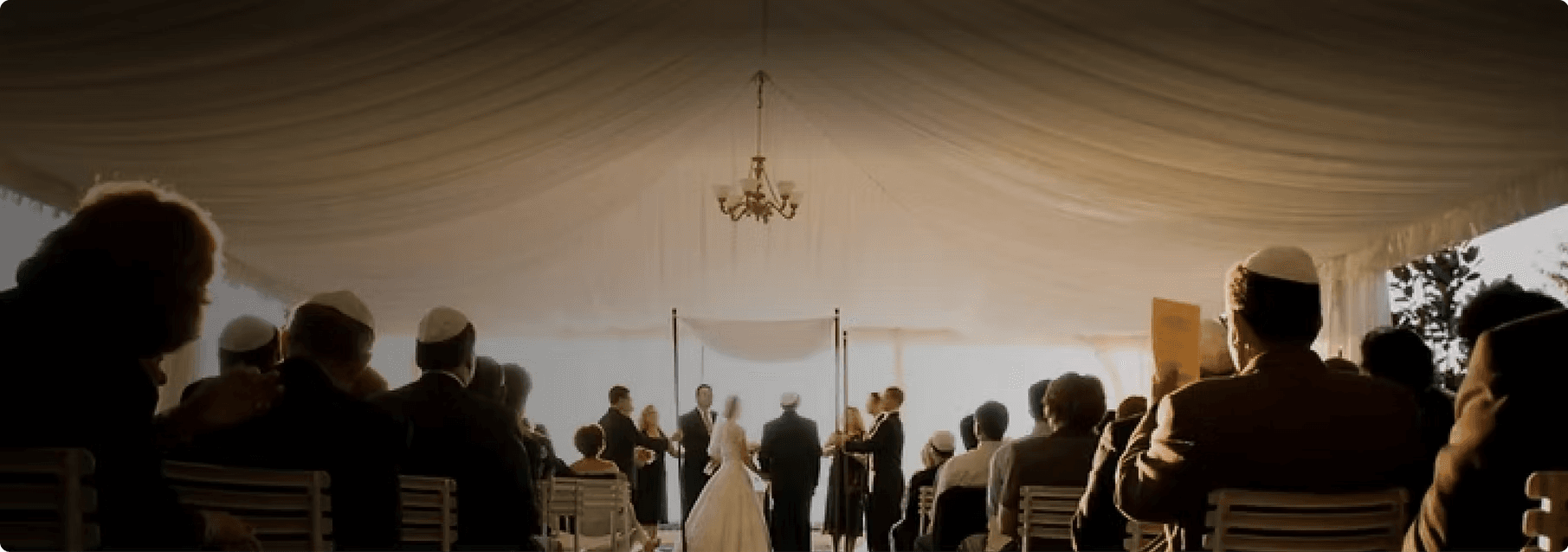
In the world of non-profit events, music does more than fill a room. It frames intention, guides emotion, and quietly influences how guests connect with a cause. Whether it’s a black-tie gala, a heritage fundraiser, or a donor appreciation evening, the right soundscape elevates the experience from transactional to transformative.

Today’s donors are discerning. They notice the atmosphere. They remember how an event felt. This is where refined music for non-profit events becomes essential, not ornamental. Thoughtfully curated live music has the power to honor culture, build emotional continuity, and reinforce credibility, all without overpowering the mission at hand.
For organizations rooted in Jewish culture and tradition, music carries even greater weight. When done with intention, Jewish music for nonprofit galas becomes a bridge between heritage and modern philanthropy, offering donors a shared emotional language that deepens engagement and generosity.
Why Music Matters More Than Ever in Non-Profit Event Strategy
Non-profit leaders often focus on programming, speakers, and fundraising goals, but overlook the role music plays in shaping donor psychology. Music sets pacing. It influences attention. It signals meaning.
High-quality non-profit event music entertainment accomplishes several things simultaneously:
Creates emotional continuity across the event timeline.
Encourages guests to stay present and engaged.
Reflects the organization’s values and cultural grounding.
Elevates perceived professionalism and trust.
When music feels intentional rather than incidental, guests subconsciously associate that care with the cause itself. This is particularly true for live music for charity events, where musicians respond in real time to room energy. A live ensemble can soften moments of reflection, heighten celebration, and seamlessly adapt as the event unfolds, something no playlist can replicate.
Moving Beyond Background Sound to Musical Identity
Many non-profit events treat music as background ambiance. But leading organizations think differently. They treat music as part of brand expression.
A refined musical identity answers questions like:
What emotions should guests feel upon arrival?
How should the energy evolve through speeches, dining, and giving moments?
What cultural signals should the music communicate?
For Jewish organizations, these questions intersect deeply with Jewish wedding traditions, communal melodies, and shared cultural memory. While the Hora may be familiar, sophisticated non-profit programming requires restraint, nuance, and curation beyond celebratory peaks. This is where cultural music for nonprofit fundraisers shines. It honors tradition without overwhelming conversation or intent, weaving heritage into the evening with elegance rather than spectacle.
The Role of Jewish Music in Modern Non-Profit Galas
Jewish music has always been communal. It gathers people, marks milestones, and reinforces continuity across generations. In a non-profit setting, that communal quality becomes a strategic advantage.
Thoughtfully curated Jewish music for nonprofit galas can:
Evoke shared memory and belonging
Reinforce the cultural mission of the organization
Create emotional trust before fundraising appeals
Make donors feel part of something enduring
Unlike weddings, galas require balance. Music must support conversation, not compete with it. It must feel elevated, not performative. This requires musicians who understand context, pacing, and cultural nuance, not just repertoire.
Live Music vs. Recorded Sound at Fundraising Events
There is a clear experiential difference between live and recorded music, especially in philanthropic settings.
Live music for charity events offers:
Dynamic response to room energy.
Seamless transitions between moments.
Visual presence that enhances atmosphere.
Emotional authenticity that recorded tracks lack.
Live musicians can subtly adjust tempo during speeches, soften dynamics during donor recognition, and elevate energy during celebratory moments. This adaptability is crucial when the goal is donor comfort and engagement. For organizations hosting culturally significant events, live performance also communicates respect for tradition and community, reinforcing credibility and intention.
Choosing the Right Ensemble for Jewish Non-Profit Events
Selecting musical talent for a non-profit event is not about volume or virtuosity. It’s about alignment. The right group understands:
The difference between celebration and refinement
How to integrate Jewish musical elements tastefully
How to read a room of donors and stakeholders
How to support, not overshadow, the mission
This is why some organizations look beyond traditional categories and seek artists experienced in both Jewish cultural performance and formal event environments. Groups like The Shuk, widely recognized as a premier Jewish wedding band, bring an unexpected advantage to the nonprofit world. Their deep grounding in tradition, combined with sophisticated musical direction, allows them to translate cultural music into elevated, donor-appropriate experiences.
From Weddings to Galas: Translating Cultural Expertise
While weddings and galas differ in tone, the underlying musical intelligence required is similar. Timing, emotional arc, and cultural literacy matter in both. An ensemble accustomed to navigating Jewish wedding traditions understands:
When music should lead and when it should recede
How tradition can be expressed subtly
How to guide emotional flow across an event
This is why organizations increasingly turn to artists with wedding-level cultural fluency for Jewish event entertainment in philanthropic settings. The difference lies in restraint, instrumentation, and arrangement, not in cultural depth.
The Shuk’s Approach to Refined Non-Profit Music
What distinguishes The Shuk in the non-profit space is their philosophy. They do not approach events as performances. They approach them as experiences.
Their work is rooted in:
Cultural authenticity without excess
Live musicianship that adapts in real time
Deep respect for the purpose of the gathering
Rather than relying on fixed setlists, they shape the evening musically, responding to audience energy, program flow, and organizational tone.
For planners seeking to understand this approach in depth, you can read more about The Shuk and explore how their musical direction translates seamlessly from private celebrations to high-level non-profit events.
Building a Musical Arc Across the Event Timeline
One of the most overlooked aspects of non-profit event music entertainment is continuity. Music should not feel like isolated moments. It should feel like a journey. A refined musical arc typically includes:
Arrival and cocktail hour: Light, conversational music that sets warmth and openness
Program transitions: Gentle cues that maintain attention without interruption
Dining and donor engagement: Subtle accompaniment that supports conversation
Celebratory or closing moments: Elevated energy that leaves guests emotionally satisfied
This approach transforms music into a narrative thread rather than a decorative layer.
Cultural Sensitivity and Modern Donor Expectations
Today’s donors expect authenticity. They also expect sophistication. Cultural music for nonprofit fundraisers must walk a fine line between honoring heritage and respecting modern sensibilities. Overly traditional or overly performative music can alienate parts of the audience. Experienced Jewish musicians understand how to reference tradition through melody, rhythm, and instrumentation without making it feel dated or exclusive. This sensitivity is essential when hosting diverse donor bases that span generations and backgrounds.
Why Musical Quality Influences Giving
While music does not directly ask for donations, it shapes the emotional conditions in which giving occurs. Research consistently shows that emotional resonance increases generosity. Music influences mood, trust, and openness. When donors feel comfortable and connected, they give more freely. This is why investing in refined music for non-profit events is not an aesthetic choice. It is a strategic one.
Extending Musical Relationships Beyond a Single Event
Organizations that find the right musical partner often return to them year after year. Familiar sound becomes part of institutional identity.
Long-term musical partnerships allow:
Consistency across annual events.
Deeper understanding of organizational tone.
Increased efficiency in planning.
Stronger emotional recognition among repeat donors.
Groups experienced in Jewish event entertainment often become trusted collaborators rather than one-off vendors. For organizations seeking that level of partnership, the next step is often to Connect With The Shuk Music Group and explore how live music can support long-term fundraising goals.
Final Thoughts
In non-profit environments, every element should serve the mission. Music is no exception. When chosen thoughtfully, live music for charity events does more than entertain. It builds trust, honors culture, and enhances donor experience. It creates a setting where generosity feels natural rather than forced.
For Jewish organizations in particular, music offers a powerful way to connect past, present, and future in a single evening. Moving beyond the Hora is not about abandoning tradition. It’s about refining it. When music is treated as identity rather than accessory, non-profit events become more meaningful, more memorable, and more successful.
FAQs
1. How is non-profit event music different from wedding music?Non-profit events require greater restraint and adaptability. Music supports conversation, programming, and fundraising rather than celebration alone.
2. Is live music appropriate for formal fundraising galas?Yes. When curated correctly, live music enhances sophistication and donor comfort without overpowering the event.
3. What styles work best for Jewish nonprofit galas?Instrumental or lightly arranged Jewish melodies blended with contemporary elements work best for refined environments.
4. Can a Jewish wedding band perform at non-profit events?Absolutely. Groups with cultural depth and professional range often excel in philanthropic settings.
5. How early should music be planned for a fundraiser?Ideally, music should be integrated into event planning early to align with program flow and venue acoustics.
6. Does cultural music affect donor engagement?Yes. Cultural familiarity fosters emotional connection, which can positively influence donor generosity.
7. How do organizations begin working with The Shuk?You can start by reaching out directly to Connect With The Shuk Music Group to discuss your event vision and goals.


