
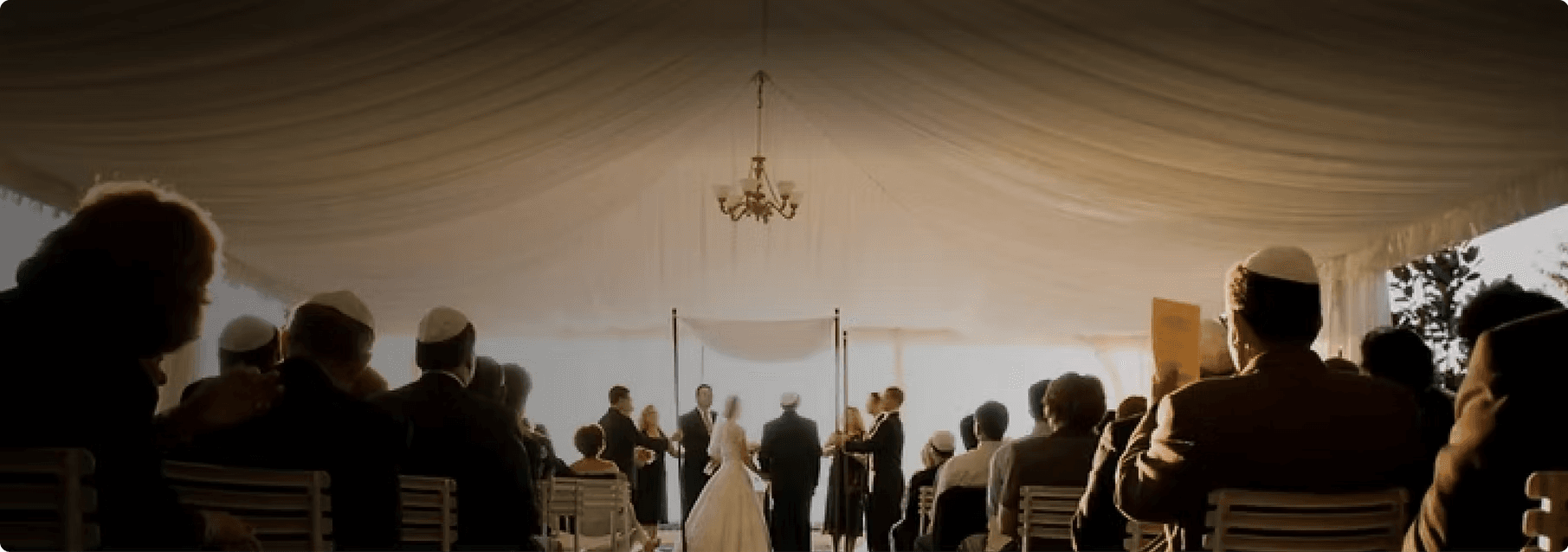
A Jewish wedding is far more than a formal ceremony or a social gathering. It is a sacred celebration rooted in centuries of tradition, layered with symbolism, and brought to life through music, movement, and shared joy. Every ritual, from the chuppah to the final dance, reflects values of love, faith, continuity, and community.

Music plays a defining role in this experience. It shapes the emotional rhythm of the day, marks sacred moments, and unites generations on the dance floor. At The Shuk, we have spent years immersed in Jewish weddings around the world, witnessing firsthand how thoughtful ceremony planning and intentional music choices elevate the entire celebration.
Drawing inspiration from a proven planning framework, this guide explores Jewish wedding traditions and ceremony music ideas in a way that feels both practical and meaningful. Whether you are planning a traditional Orthodox wedding or a modern celebration infused with personal touches, understanding the role of music and tradition will help you create a wedding that truly reflects your story.
Building the Foundation of a Jewish Wedding
Every memorable Jewish wedding begins with a strong foundation. Before décor, playlists, or seating charts, couples must make a few essential decisions that shape the entire celebration.
These early steps typically include:
Selecting a wedding date that avoids Jewish holidays and fast days
Establishing a budget that prioritizes meaningful elements like music and ceremony
Choosing a rabbi or officiant aligned with your beliefs and vision
Creating a guest list that reflects both family and community
These decisions influence how Jewish wedding traditions are honored and how smoothly the day unfolds. When couples take time to plan thoughtfully at this stage, everything that follows feels more intentional and less stressful.
Choosing a Venue That Supports Tradition and Music
The venue sets the tone for your wedding and directly affects how traditions and music are experienced. A beautiful space is important, but functionality matters just as much.
Here are some tips to consider when choosing a venue:
Is there adequate space for a chuppah ceremony?
Can the dance floor accommodate a lively Jewish wedding dance like the hora?
Are live musicians or a Jewish wedding band permitted?
Does the acoustics support both ceremony music and energetic dancing?
At The Shuk, we have performed in intimate courtyards, grand ballrooms, beachfront venues, and historic synagogues. The most successful weddings are those where the venue complements the flow of ritual and celebration rather than restricting it.
The Jewish Wedding Ceremony: Meaning Behind the Moments
The ceremony is the spiritual core of a Jewish wedding, where ancient rituals come together to mark the beginning of a shared life.
Core Ceremony Elements
The Chuppah
The chuppah represents the home the couple will build together. Open on all sides, it symbolizes openness, hospitality, and the presence of family and community. Soft live music during the processional enhances the emotional significance of this moment.
Ketubah Signing
Usually held before the ceremony, the ketubah signing is an intimate ritual witnessed by close family and friends. Background music during this moment adds warmth without distraction.
Processional and Recessional
Walking down the aisle is one of the most emotional moments of the day. Many couples choose traditional Jewish melodies, while others select instrumental versions of meaningful modern songs.
Sheva Brachot (Seven Blessings)
These blessings celebrate joy, companionship, and continuity. Music before or after the blessings helps frame the sacredness of the moment.
Breaking of the Glass
This powerful ritual reminds us that even in moments of joy, we remember history and humility. The immediate burst of music afterward transitions guests from reflection into celebration.
Ceremony Music Ideassic: Elevating Sacred Moments
Music during the ceremony should feel reverent, emotional, and personal. This is where experienced professional Jewish wedding musicians make a significant difference.
Ceremony music ideas include:
Traditional Jewish melodies played live
String quartets or acoustic ensembles
Vocalists for select ceremonial moments
Instrumental renditions of contemporary songs
Live musicians adjust naturally to the pace of the ceremony, ensuring smooth transitions and emotional continuity. This flexibility is especially valuable during religious rituals where timing can vary.
Designing a Reception That Feels Joyful and Inclusive
The reception is where celebration truly comes alive. It is a space for laughter, storytelling, and shared joy across generations.
A thoughtfully planned reception often includes:
A high-energy grand entrance
The couple’s first dance
Parent and family dances
Dinner and speeches
Open dancing that brings everyone together
A skilled Jewish wedding band or DJ understands how to balance tradition with modern energy, ensuring that every guest feels included.
The Role of Dance in Jewish Weddings
Dance is one of the most defining features of a Jewish wedding. It transforms the reception into a communal celebration where everyone participates.
Iconic Jewish wedding Dances
The Hora
The hora is the heart of the celebration. Guests form circles while the couple is lifted on chairs, symbolizing support from their community. This iconic Jewish wedding dance requires experienced musicians who know how to build and sustain energy safely and joyfully.
The Mezinke
This emotional dance honors parents when their last child is married. It is a moment filled with pride, gratitude, and reflection.
Israeli Folk Dances
Depending on family background, Israeli folk dances may be included, adding cultural richness and dynamic movement to the celebration.
At The Shuk, we guide guests seamlessly into these dances, ensuring no one feels left out or unsure of what to do.
Why Music Is the Emotional Backbone of a Jewish Wedding
Music does more than entertain, it tells the story of the day. It guides guests from sacred ceremony to joyful celebration, shaping how each moment feels and is remembered.
When planning music, couples should consider:
Ceremony music that reflects tradition and spirituality
Reception music that spans generations
Energetic hora sets that engage all guests
A balance of classic Jewish songs and modern favorites
Music also supports shared wedding wishes, turning individual emotions into a collective experience of joy and connection.
Capturing the Moments That Matter Most
Jewish weddings move quickly, and many meaningful moments happen only once. Choosing photographers and videographers who understand tradition ensures nothing is missed.
They should be familiar with:
The timing of ritual moments
Chair lifting during the hora
Emotional family interactions
The natural flow between ceremony and reception
When music and visual storytelling align, the memories of the day remain vivid for years to come.
Organizing a Timeline That Allows the Day to Flow
A well-structured timeline is essential to ensuring that a Jewish wedding unfolds with ease and intention. From the ceremony to the final dance, each moment builds upon the next. When the schedule is thoughtfully planned, rituals feel unhurried, transitions feel natural, and guests remain fully engaged in the experience rather than aware of logistics happening behind the scenes.
A strong wedding timeline typically accounts for vendor arrival and setup, the start and conclusion of the ceremony, and the flow from cocktail hour into the reception. It also outlines when key moments such as scheduled dances, speeches, and traditional rituals will take place. This level of organization allows every participant, from officiants to musicians, to work in harmony, ensuring that sacred moments are honored and celebratory ones are given the energy they deserve.
Experienced musicians play a critical role in supporting the timeline. They are skilled at adapting to real-time changes, whether a ceremony runs longer than expected or dancing begins earlier than planned. By reading the room and adjusting tempo and transitions as needed, they help maintain momentum while respecting the sanctity and emotional rhythm of Jewish wedding traditions.
Décor and Atmosphere: Supporting the Experience
Décor should enhance, not overshadow, the emotional journey of the wedding.
Important décor considerations include:
Chuppah design and florals
Lighting that transitions from ceremony to celebration
Table arrangements that encourage connection
When décor, music, and tradition work together, the entire event feels cohesive and intentional.
Community, Connection, and Shared Wedding Wishes
At its heart, a Jewish wedding is a communal celebration. Guests are not just observers; they are active participants.
From shared wedding wishes to dancing arm in arm, the celebration reflects the strength of family, friendship, and faith. Music acts as the bridge that brings everyone together, regardless of age or background.
Final Thoughts
A Jewish wedding is a profound blend of tradition, joy, and meaning. When ceremony, music, and planning align, the result is an experience that honors the past while celebrating the future.
At The Shuk, we approach every wedding with respect, expertise, and passion. Our deep understanding of Jewish wedding traditions, combined with modern musical excellence, allows us to create celebrations that feel authentic, joyful, and unforgettable. With thoughtful planning and trusted partners, your Jewish wedding will not only be beautifully executed, it will be deeply felt.
FAQs
1. Why is music so important in a Jewish wedding?Music shapes the emotional flow of the wedding, guiding guests through sacred rituals and joyful celebration.
2. Is live music necessary for Jewish weddings?While not required, live music adds emotional depth and authenticity, especially during ceremony and traditional dances.
3. What songs are traditionally used for the hora?“Hava Nagila” is the most common, though many couples personalize their hora music.
4. How early should we book musicians?Booking 9–12 months in advance is recommended, especially for experienced professional Jewish wedding musicians.
5. Can we mix traditional and modern music?Yes. Most couples choose a blend that reflects both heritage and personal taste.
6. How do musicians coordinate with other vendors?Experienced teams work closely with planners and photographers to maintain timing and flow.
7. What makes The Shuk unique?The Shuk combines deep cultural knowledge with modern performance expertise, creating weddings that feel seamless, energetic, and meaningful.


